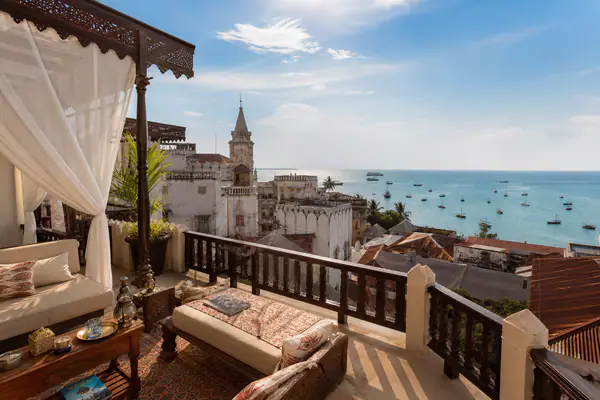
Stone Town: Zanzibar Area Guide
UNESCO heritage, commerce, and urban investment
Lifestyle & atmosphere
Stone Town is Zanzibar's cultural capital — a labyrinth of carved doors, spice-scented markets, and rooftop terraces where call to prayer meets jazz bars. Urban life is sensory and social: ferry arrivals, diplomatic postings, NGO professionals, and digital nomads who prefer alley cafés to beach clubs.
Living here means heritage fabric, humidity management, and navigating building conservation rules. The reward is walkable history, port connectivity, and a year-round tenant base unlike seasonal coasts.
Tourism & attractions
UNESCO status anchors tourism: House of Wonders narratives, Forodhani night market, slave memorial sites, and spice tour departures. Boutique hotels in restored townhouses command premium ADR from cultural travellers. Cruise ship days inject spikes that urban hospitality operators plan around.
Stone Town is the island's business and government interface — conferences and NGO travel add weekday demand absent on pure beach coasts.
Beaches & coastal character
Stone Town is not a swim-from-your-door market — guests day-trip to north or east beaches. Waterfront redevelopment and port expansion influence long-term commercial values. Buyers seeking sand should view Stone Town as urban mixed-use, not coastal villa plays.
Nearby Mangapwani and hotel beaches serve residents within twenty to forty minutes by car.
Property & investment potential
Heritage renovations, boutique hotels, mixed-use shophouses, and serviced apartments define the investable stock. Legal complexity is higher — conservation approvals, structural surveys, and clear title chains are mandatory. Rewards include diversification from coastal seasonality and exposure to Zanzibar's administrative growth.
Commercial F&B and retail along creek roads attract entrepreneur-investors with operating partners.
Rental demand
Short-stay boutique rooms and whole-townhouse rentals perform when design respects heritage aesthetics with modern comfort. Monthly demand from expats, diplomats, and remote workers is the urban differentiator — furnished apartments with AC and fibre outperform holiday-only stock.
Investors should budget for maintenance in humid, saline environments and specialist contractors.